Me quiso enseñar a no pronunciar ternuras sobre las piedras
Decía que los poros eran traicioneros y que me comerían viva
si intentaba acercarme a sus gritos
Yo, sin miedo, desobedecí
Yo, sin miedo, entendí
y sofoqué aquellos cantos designados para la preservación del alma en su nido
Me quedé sin miedo, ciertamente, receptáculo vacío al borde de la furia
Ahora hablo con lo espeso de los montes
Hablo con los pasos de los muertos, con el río de los gestos acallados
Las vértebras de los días enredadas en lo desparramado de aquel amor
Usamos palabras que a medias conocemos para decirnos lo que ha quedado
Y después de tanto sol enmudecido, qué ha quedado, dime tú
to survive not getting what you want
requires a decision from you,
one that will enable you to believe
there were too many obstacles
for anything to really come full circle;
if it happened too soon or too late,
it doesn’t matter, so long as it didn’t happen
by what you would consider
a sensible standard, a reasonable choice
sometimes I wonder how much we are able
to devise from plain sight
language doesn’t know the truth of your
behavior, nor does it care if you pushed too
hard or if you didn’t lift a finger;
it knows you will call out to it, feed it like
you would a dog, conditioned to receive
what it can, grateful even for imperfection —
it knows what tricks to perform, and it
will deliver them obediently, to you
sight is supposed to make everything clear
and tangible, and yet…
there’s something about our eyes, our sight,
tho, that marks tragedy harder on our backs
we want to see but we’re afraid to look;
we want to look for but we’re afraid to find
that tiny piece of information we’re
eluding in order to be right and to feel right,
even if everything is clearly wrong — a tree
rotting through every branch and every fruit
standing tall, surviving, but barely
A leaf sways helplessly on the branch that breaks. Disappointment is but a splash of tiny dots across the sky, choreographing sadness on the lapels of the great abyss. I shrivel. My bones are connected to the earth, and the earth to the fallen fruits on the ground that seek out the heavens in vain. No one knows where to set their gaze, scattered grace fading into the impossible. I collapse. And reach in.
Signature
I got one of my passports renewed earlier this year. The processes to get each passport are different, but I’d never had a problem until now: it turns out there is a small line no bigger than two millimeters long that I have added to my signature unconsciously over the years. Maybe my hands have grown tired, maybe they’re prone to certain involuntary movements as I’ve gotten older. That minuscule line was not present in the previous passport, so ten years later, I ended up being heavily scolded by a very young government worker for not being able to sign the same way. I was kept signing for 15 minutes, and then was asked to practice for another 15 because he was tired of having to print out the document again and again. But the thing is, if I omitted that line no bigger than two millimeters long, some other part of the signature looked affected, maybe with a longer line here or a bigger loop there. “The initial difference was barely noticeable. The more I am made nervous to get my own signature right, the less it will come out as you expect it to.” The young man finally gave in. “It’s for your safety, that’s all”, he argued. A line less than two millimeters long? Don’t the other traces matter? “Right.”

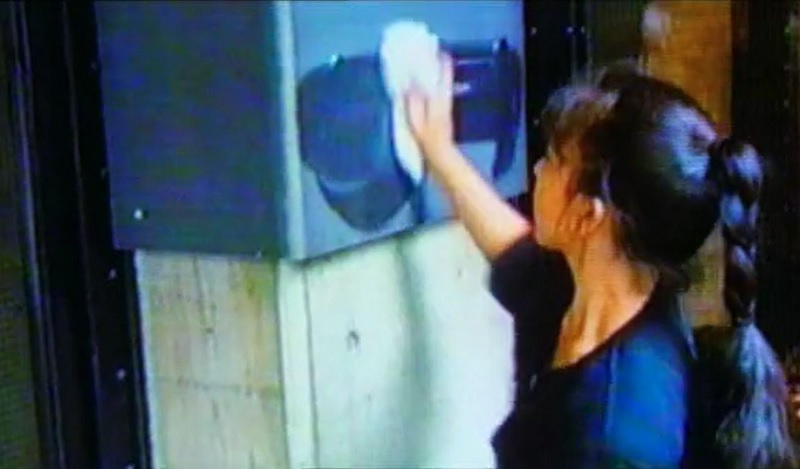
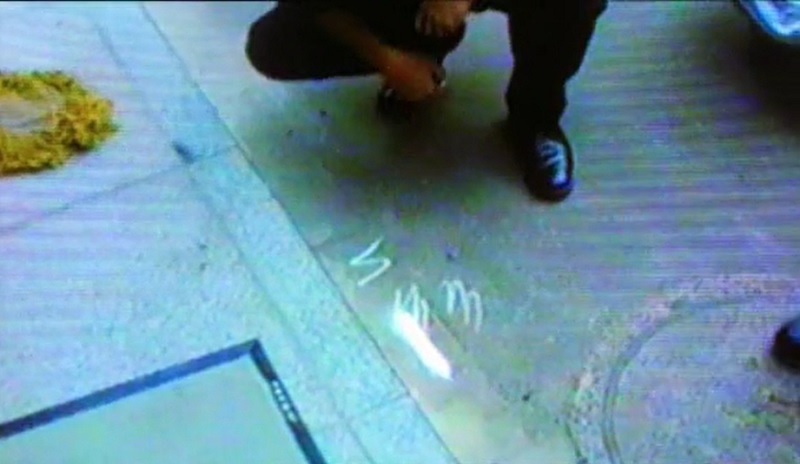

Today I was watching Wim Wenders’ documentary about Yohji Yamamoto (Notebook on City and Clothes, 1989), and there’s a scene where Yamamoto has to get his signature right on the storefront of one of the shops he is about to reopen. The signature tried to look the same every time Yamamoto signed, but his PR crew, I suppose, just wouldn’t have it. He even had to practice on the ground until he got it right. Yamamoto was smiling, though — a different experience entirely. But I was amused to see the level of identity and authenticity expected from others through something so personally-chosen and self-constructed as is someone’s signature.
I left the government offices wondering why impatient people tend to choose to make a career for themselves in such places, and after watching the documentary, I was left wondering if Yamamoto can still sign the same way he did 33 years ago.
Naming things.
Civilizations are not only built upon ideas but upon options, and one of those options includes the necessity to say what we mean. From the pronouns we want to be addressed by, to the name of our disorders and illnesses, current affairs and zeitgeist very much concentrate on name-giving.
Nomenclature is ultimately what executes the systems we use to perform tasks, and tasks, in turn, require our emotional and intellectual responses to them for the process to be completed. That is, we no longer use language just to ask someone to pass the salt or to express our anger towards them for being late, or even to learn about today’s news. Language is what makes machines work, and in these times where human beings are a commodity for a world that has placed an exorbitant value on fast-paced economies, we are scrambling to keep up with every term that affects our survival in the social environments we move through on this planet.
Language in 2019, then, is not necessarily arbitrary. For someone to use a term to designate meaning to a dynamic unknown or to a practice that is widely spread but whose characteristics have changed over time, communication is forced to develop a set of names that allude to a former age with the added meanings that validate it for common usage. The dictionaries we make use of, both in print and online, are a fine example of how we engage in the transformation, ramification and dissemination of all the understanding we translate into words.
What we understand, however, is bumpy terrain, not exclusive to our times but definitely exclusive to how communication speeds up far faster than we are able to cognitively digest. It is not only technology that acts upon how we relate to knowledge and to each other, but also all the things that were never openly said before. A peasant had no right to speak, so a secret was born. Women had no right to speak, so another secret was born. Children never had a voice to begin with. Marginalized communities, which have gained visibility as being the majority in every society we can think of, did not have a right to even dream of having a voice, much less to be able to speak up.
Our nomenclature in circulation, then, is based on things left unsaid, of theories rebuked, of old discoveries revisited by a sharper, feeling, raw eye. Every organism is changing right before us and we are simply left gawking, trying to catch what we can from it. No wonder we want to name everything.
None of this is new under the sun, of course, but it is the first time I am faced with verbal challenges this big. Because these are not just verbal challenges. It’s identity we’re talking about.
Density
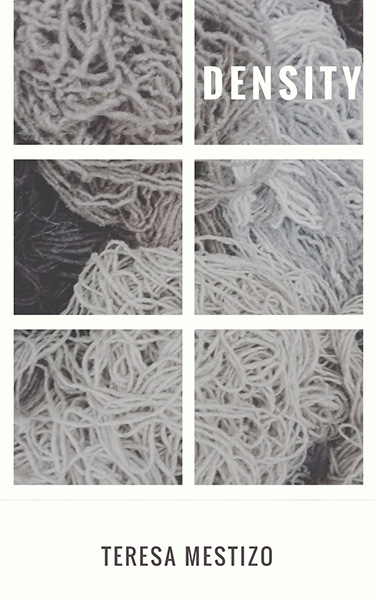
I put together a small e-book with 23 poems written during early 2017. You can download it for free by clicking on the cover. Happy reading!